In the last post, we saw how women were actively involved, and even a driving force, in the change of religion in the North. The question then, is why women were so strongly drawn to…
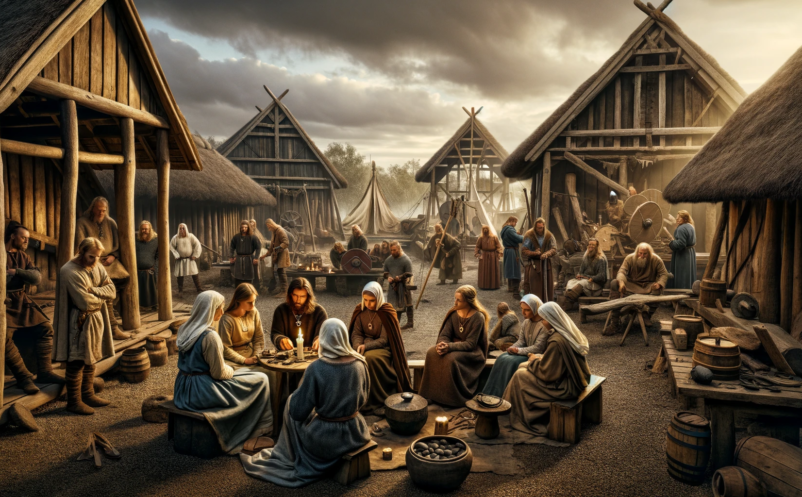

In the last post, we saw how women were actively involved, and even a driving force, in the change of religion in the North. The question then, is why women were so strongly drawn to…
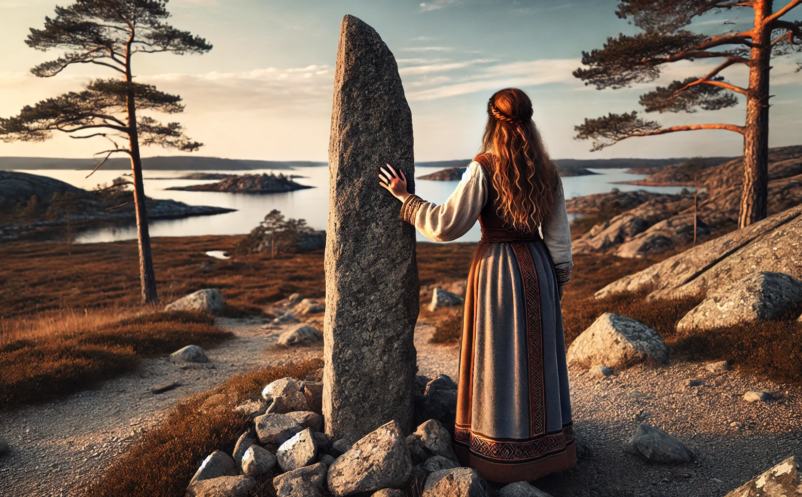
From Kata in Varnhem, we’ll take a look at other early Christian women who, quite literally engraved their religious beliefs in stone – on runestones and rock carvings. Ingerun placed her hand against the rock…
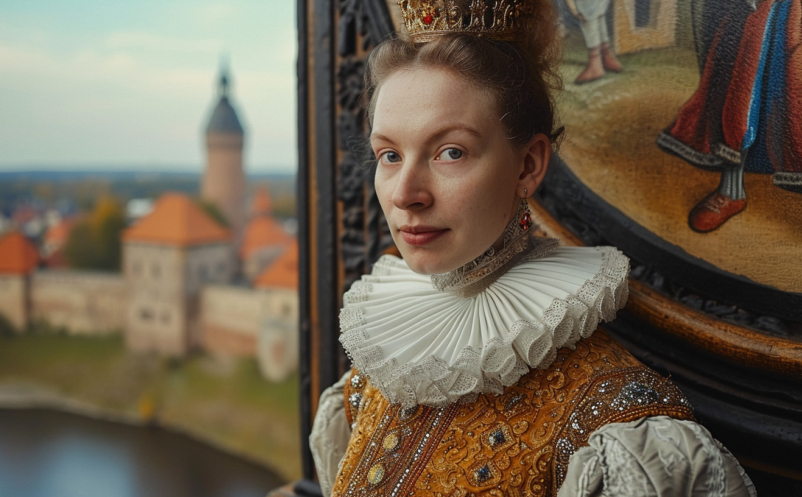
As we continue the theme of Forgotten Royal Women, we stay in the era of the Kalmar Union. Our last story ended with queen Philippa’s death in 1430. The story of Christine of Saxony begins…
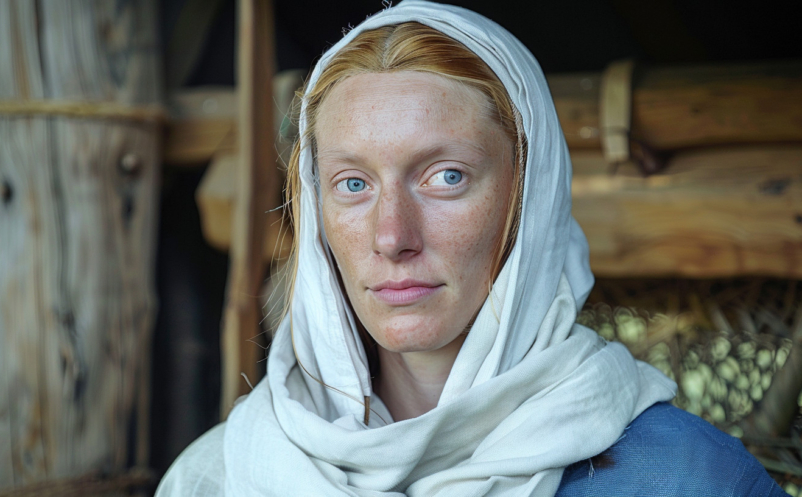
Varnhem, Sweden, ca 1030 The small child is carefully placed in the stone coffin. Kata shivers, and not only because of the cold spring wind. Almost everyone here knows what it feels like to bury…

As seen in the previous post, it is primarily men who have been credited with turning the Nordic people from the old Norse Gods to the new God and Christ. Kings, who with a mixture…

In this new theme; From Freyja to Mary, we’ll explore the Christianization of the North. It begins, as stories often do, with kings and men, but will evolve to focus on the roles of women…
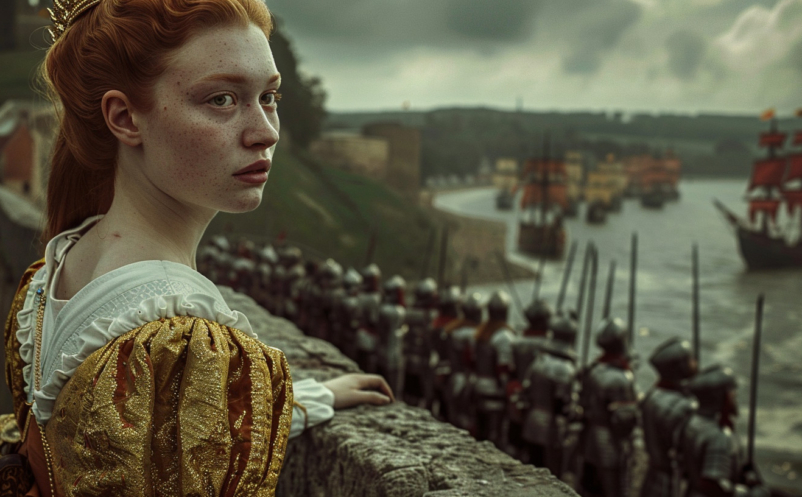
While Philippa was a competent ruler in Sweden, her husband Erik’s main concern was usually the border conflicts between Denmark and the dukedom Schleswig-Holstein. It was a protracted conflict and in August 1423 Erik traveled…
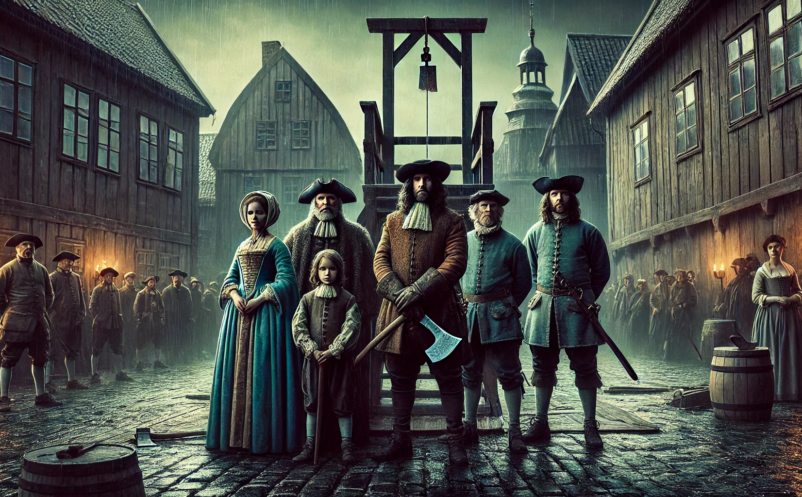
Turku, Finland/Sweden, 1643: Inside the town hall of Turku, the air felt thick with the weight of impending decisions. The large, dimly lit room was dominated by heavy wooden beams and rough stone walls, casting…
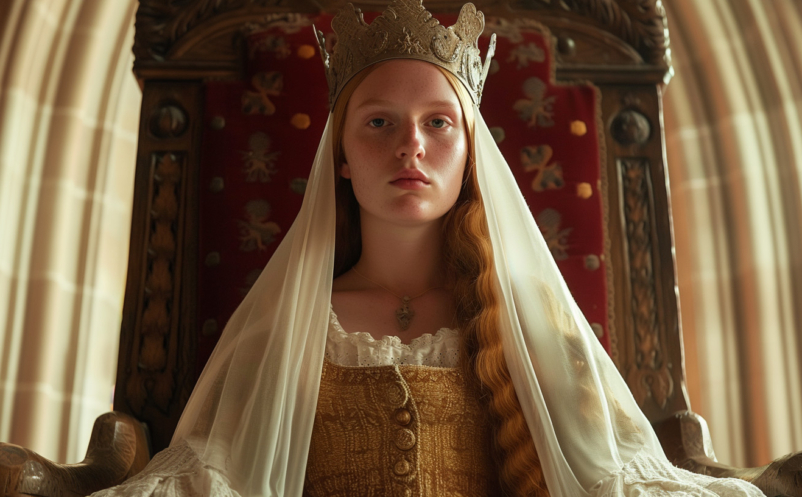
Philippa, the youngest of six siblings, was born on July 4th 1394, as the daughter of English nobleman and member of the royal family Henry Bolingbroke, and Mary de Bohun. Mary died shortly after the…
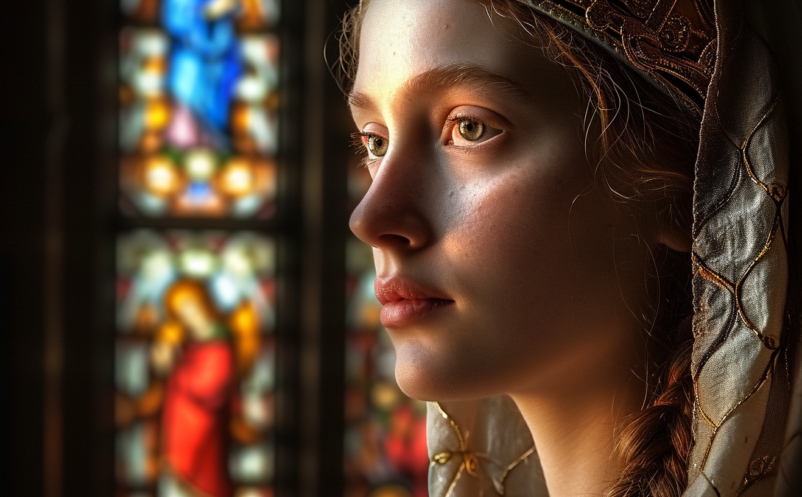
Meet Philippa: An English Princess who became a Scandinavian Queen. As a young girl, she saw her father take the crown of England as king Henry IV. At 12 years old, she married Erik, the…