Gustav Vasa had made many changes since ascending the throne in 1523. The most profound was of course the reformation – turning the country from Catholicism to Lutheranism and changing centuries old traditions and belief…
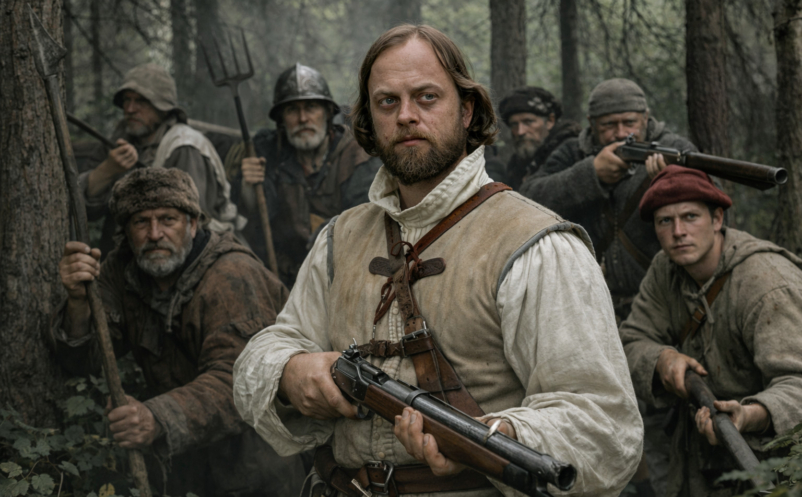

Gustav Vasa had made many changes since ascending the throne in 1523. The most profound was of course the reformation – turning the country from Catholicism to Lutheranism and changing centuries old traditions and belief…
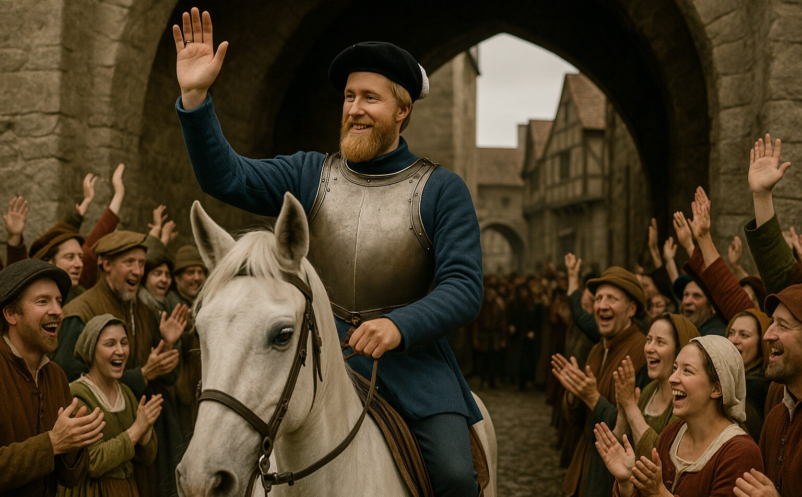
We left the last post just when a new rebellion against Danish king Christian II was about to start – the rebellion that would become the Swedish war of independence. To be fair, there were…
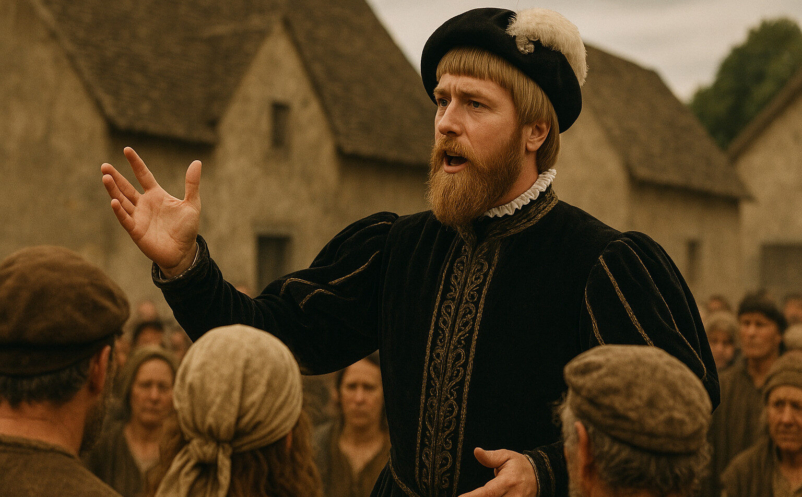
During his imprisonment in Denmark, Gustav Vasa heard of plans of a new military campaign against Sweden. According to his chronicler, Gustav became so distressed by this that he escaped in 1519, “with God’s help”. …
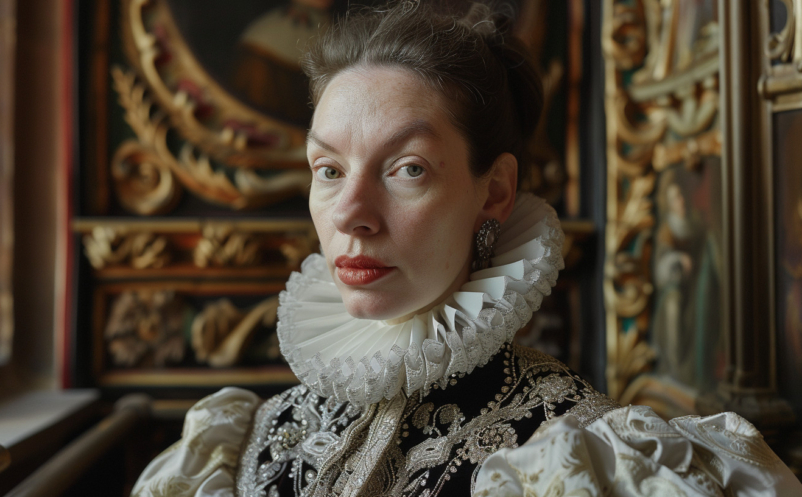
In the last post about Christine of Saxony, we saw how her husband, king Hans of Denmark and Norway had troubles keeping the Kalmar Union together and subdue the Swedish noblemen. However, in 1497, Hans…
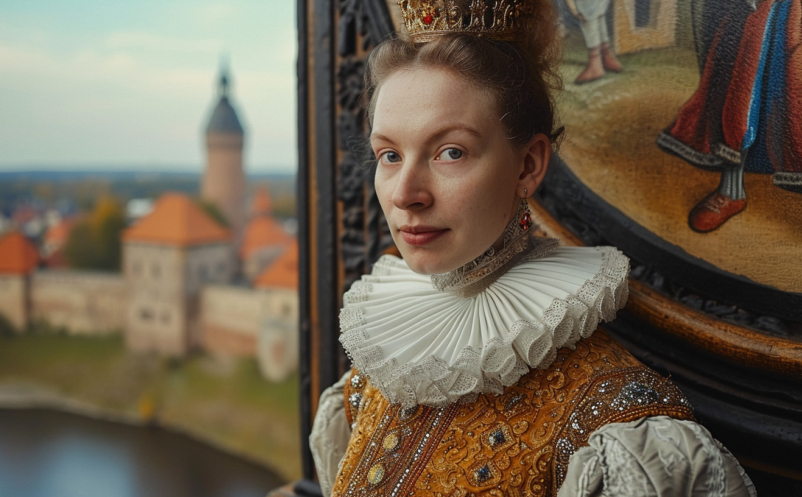
As we continue the theme of Forgotten Royal Women, we stay in the era of the Kalmar Union. Our last story ended with queen Philippa’s death in 1430. The story of Christine of Saxony begins…
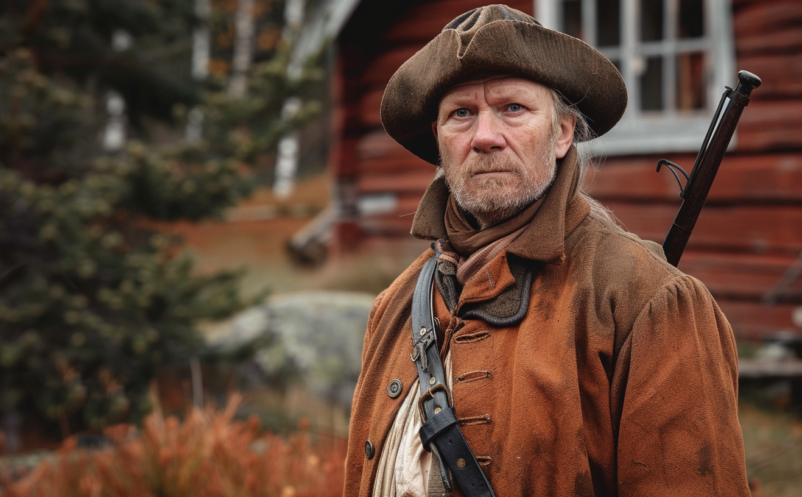
The last peasant revolt in this theme took place in Norway (then part of Denmark) between 1786 – 1787, and has been named after it’s leader, Christian Lofthuus. At this time, discontent simmered among the…

One of the last large scale peasant uprisings in Sweden has been named The Great Dalecarlian Dance and took place in 1743. It played out in a transition between the old peasant society and the…
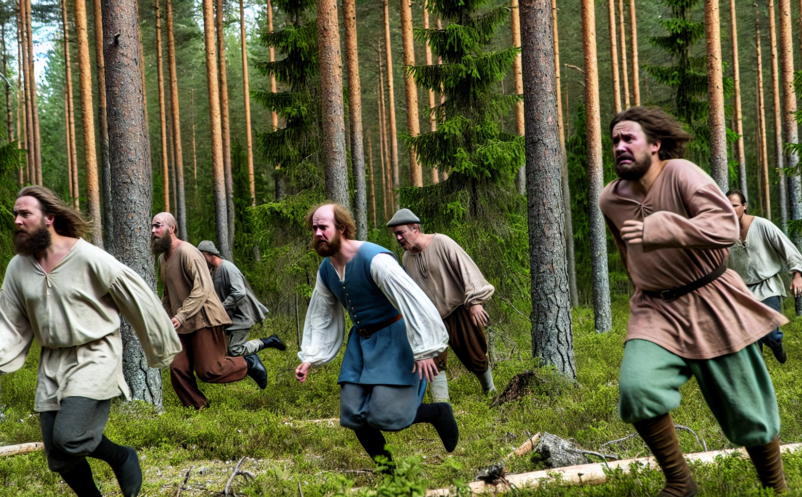
This post is the last part of three about the common people in the border regions between Sweden and Denmark. Caught up in the war between the countries and traditionally called Snapphanar, they fought harsh…
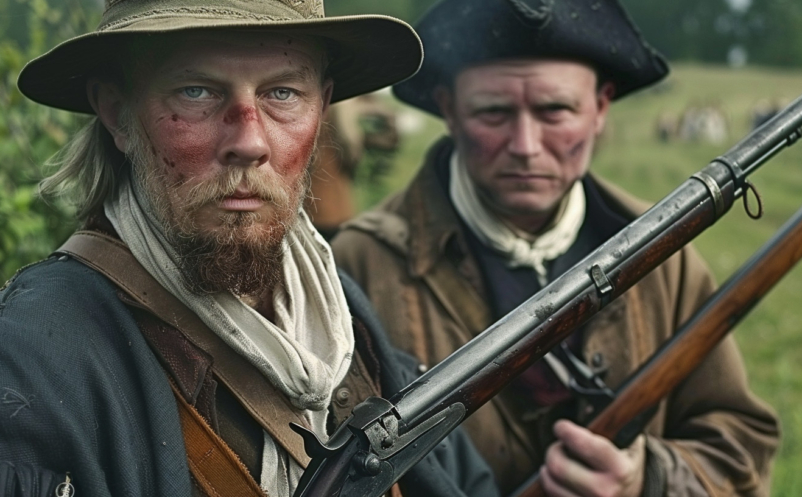
Unlike Nils Dacke in the 1540s, there was no ONE leader for the Snapphanar in the 17th century. One reason being, as previously mentioned, that there was no ONE Snapphane-movement. There was independent peasant uprisings,…
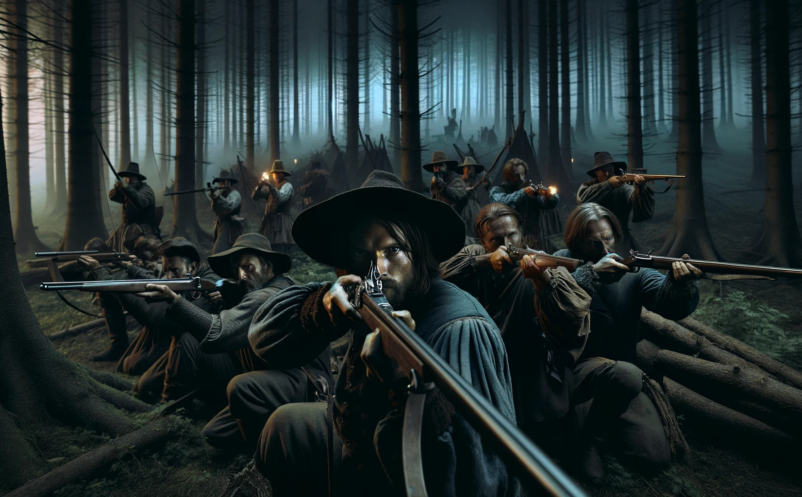
As we continue our journey through Scandinavia’s peasant uprisings, we turn to the 17th century and the guerilla fighters known as Snapphanar. I will explain it’s meaning below, but let’s start with some background: During…