
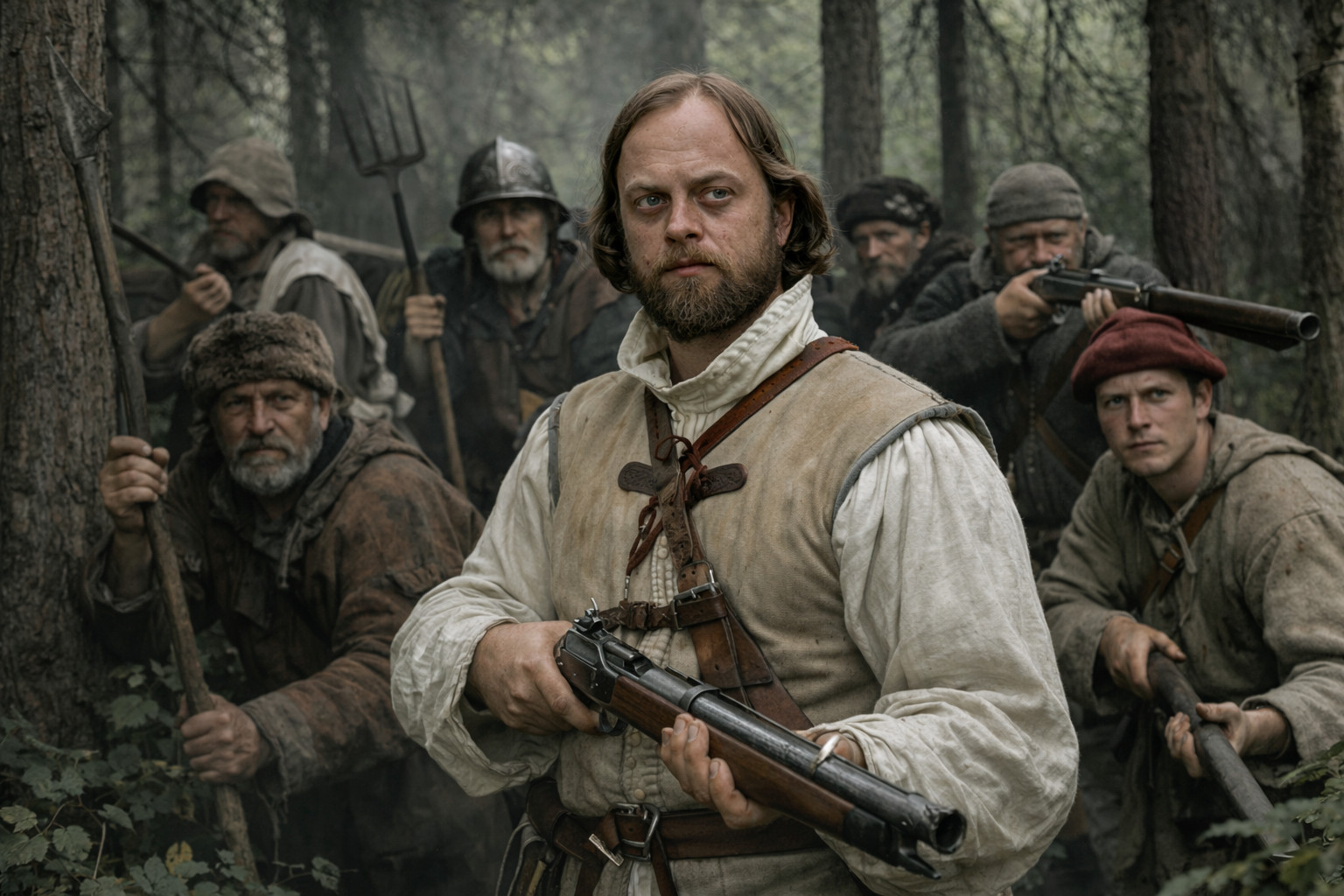
Gustav Vasa had made many changes since ascending the throne in 1523. The most profound was of course the reformation – turning the country from Catholicism to Lutheranism and changing centuries old traditions and belief systems.
This – even more so than harsh taxation – angered the peasantry. The 1530’s were filled with small-scale rebellions, mostly quite easily subdued. But in the summer of 1542, a revolt broke out in Småland that would cause the king serious troubles.
Led by a common man named Nils Dacke, the peasants rose up against the increasingly high taxations and the new religious order and murdered two bailiffs and a local nobleman.
Gustav was probably not very worried at first and sent a small troop of 400 men to quell the revolt. But Dacke had gathered an army of 3000 peasants to his side.
The first battle in July ended with the king’s representatives being forced to negotiate a truce. The rebels demanded a return to “the old ways”.
But Gustav Vasa had no plans to give in to their demands. In his own words, he would “haunt the rebellious Smålandians and bring them to obedience and submission again”.
Even though the king and the rebels had agreed to a truce, both sides continued to gather their strength, knowing full well the fighting would continue eventually.

In the meantime, Gustav did his best to discredit the rebels. During the autumn of 1542 Gustav published letters falsely accusing the Smålandians of plotting to return to Danish rule, calling them traitors and accused them of being stingy – a prejudice about people of Småland that still exists to this day, which shows what a master of propaganda Gustav Vasa really was.
He managed to get his version of the events out to the rest of the country, and thus alienated the rebels of Småland from others who might have joined them.
In January 1543, the king had gathered an army of mercenaries and peasantry from other parts of the country, and the fighting resumed.
The royal forces won a decisive victory in March, where Nils Dacke was badly wounded. From then on, only few pockets of resistance remained and when Dacke was killed in July, the war that bears his name was over.
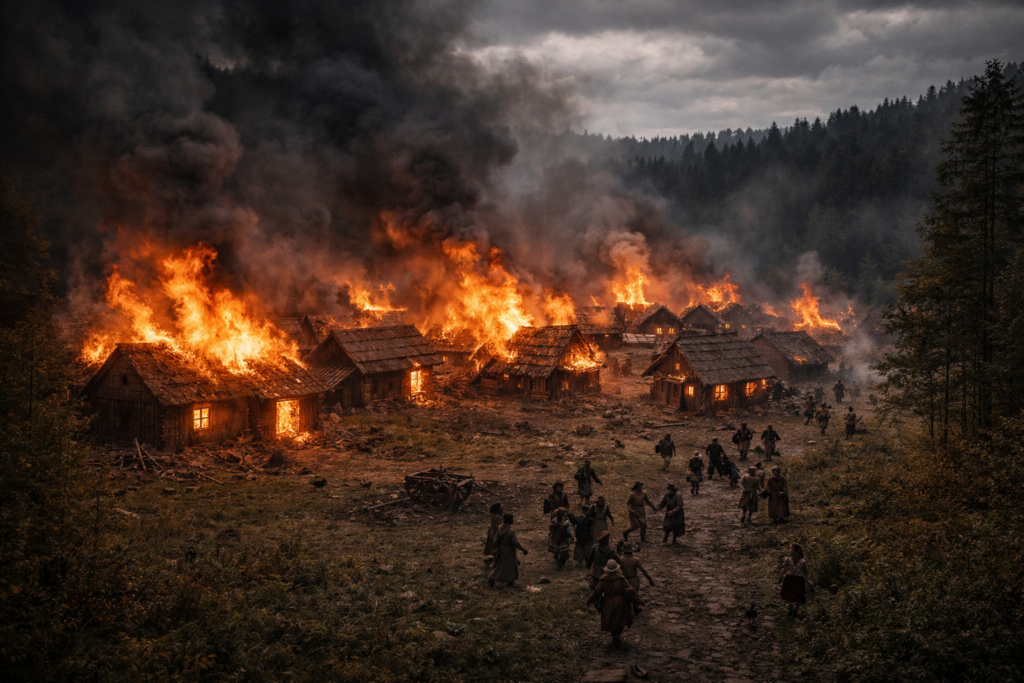
Despite the king’s promise of amnesty for those involved in the uprising, the retribution was terrible. Hundreds of farms were looted and burned, many of the rebels captured, tortured and executed. Those who survived were forced to pay heavy fines.
Ironically, since Gustav’s own reason for rebelling against the Danish king, Christian II, was that he had broken his promise of amnesty and executed former rebels. Now, Gustav Vasa – the hero who had conquered the tyrant – did the same thing.
Yet, he could have done even worse, if he wasn’t as pragmatic. But the king was impressed by the courage and fighting skills of the Småland peasants, and it gave him the idea to establish a national army.
His reasoning was that the locals knew their territory best, they fought for their lives and livelihoods rather than money – and they were cheaper than an army of mercenaries.
The following years, Gustav Vasa would consolidate his power, tightening his grip on the country – and securing the continuation of his dynasty…
Sources:
Larsson, Lars-Olof. Gustav Vasa – landsfader eller tyrann? (2002)
Larsson, Olle. Gustav Vasa: en furste bland furstar. (2022)