
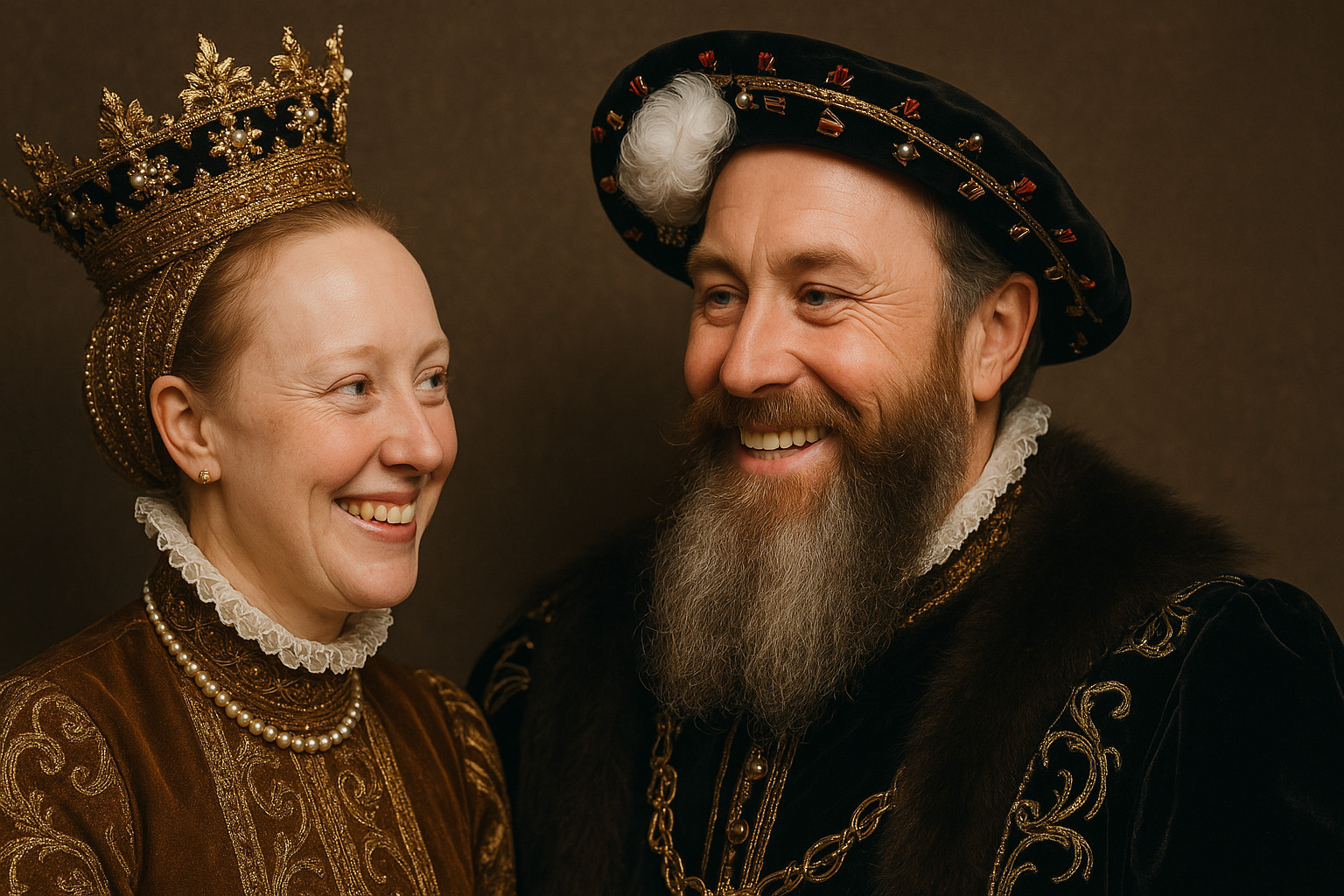
Gustav Vasa was finally married to a woman of high birth and had a son, Erik. The royal couple must have been thrilled – a son would secure the Vasa Dynasty. But the happiness would be short-lived…
In September 1535, Gustav Vasa and Katarina held a ball for Denmark’s king, Kristian III and his Queen Dorothea, who was Katarina’s sister. During a dance, Katarina fell and hurt herself so badly she later passed away. It is possible it was due to a miscarriage.
Gustav’s enemies claimed that he had killed his wife, but modern studies of her remains disproves that.
Later, Gustav’s marriage to Katarina of Saxe-Lauenburg would be said to have been miserable and Katarina herself painted as a frail, moody and withdrawn – but this stems from later writings commissioned by Johan III after the fall of Erik XIV. Contemporary sources, such as the chronicle by Per Brahe, paints another picture of a lively court where the King and Queen danced, walked and hunted together.
We don’t know the true nature of their relationship, or if Gustav mourned Katarina, but just a year later, he was remarried.
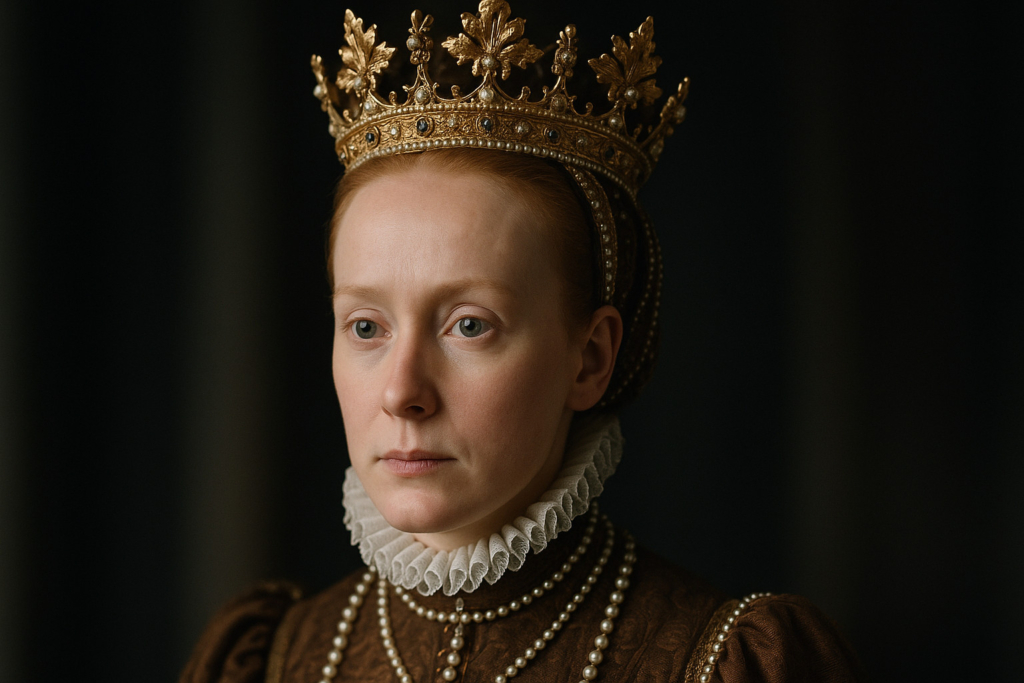
The lucky lady was a young woman belonging to one of the most prominent noble families in Sweden – Margareta Eriksdotter Leijonhufvud.
There were probably two reasons why he chose a woman from the Swedish nobility rather than searching for another foreign bride. One is that it had been hard enough the first time to find a suitable and willing match in Europe, and any such new search would probably take years.
The second reason was that he needed to tie the Swedish nobility closer to him to strengthen his power, in a country constantly on the verge of rebellion.
Again, we don’t know how the royal couple felt for each other romantically, but the marriage was a success. Not only was Margareta very fertile – she would give birth to ten children in fifteen years – but she was a very competent Queen.
She also had a calming effect on her hot-headed husband, and people often asked her to talk to the King for them, which preserved letters show that she often did. Her connections with the Swedish nobility helped keep them loyal to Gustav.
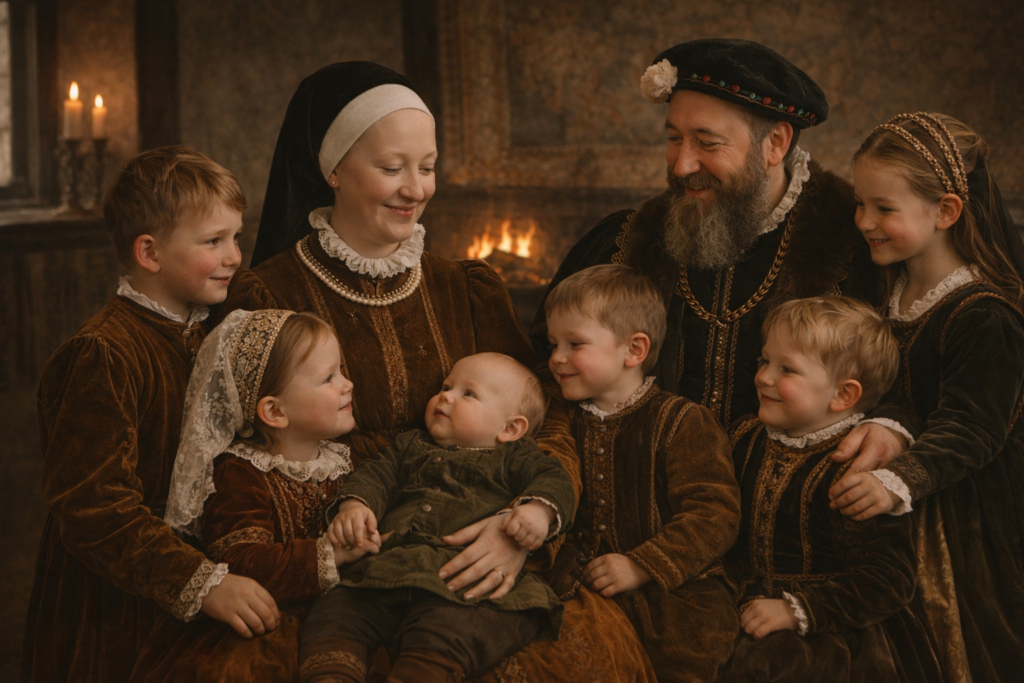
Gustav Vasa and Margareta was uncommonly close to their children, for a royal family of the time.
Usually, royal children were sent away at a young age to be raised with a noble family or in his/her own court. But the growing Vasa family stayed together. Either for financial reasons, or because Gustav Vasa was deeply suspicious and feared that his children might be kidnapped or hurt.
In his own letters, you can see that Gustav was a rather doting father, worrying about his children’s health and safety, and sending them gifts if they were apart.
Gustav was insecure about his own lack of higher education, and he made sure his children – especially his sons – were given the best education possible. The two eldest, Erik and Johan, were educated together, to learn how to rule.
Later accounts would claim that Erik was always jealous of his younger siblings and even hated them. Again, this comes from the propaganda used against Erik after his fall from the throne. No contemporary sources confirm any animosity between the brothers during their childhood and adolescence.
But despite was seems like a familial bliss, not everything was in Gustav’s life was smooth sailing. The 1530’s were filled with small-scale rebellions, mostly quite easily subdued. But in the summer of 1542, a revolt broke out in Småland that would cause the king serious troubles…
Sources:
Larsson, Lars-Olof. Gustav Vasa – landsfader eller tyrann? (2002)
Larsson, Olle. Gustav Vasa: en furste bland furstar. (2022)