
Have you ever heard of New Sweden?
Long before the mass-emigration from Sweden to North America in the 19th and 20th centuries, there was the short-lived colonial project of New Sweden, 1638 – 1655.
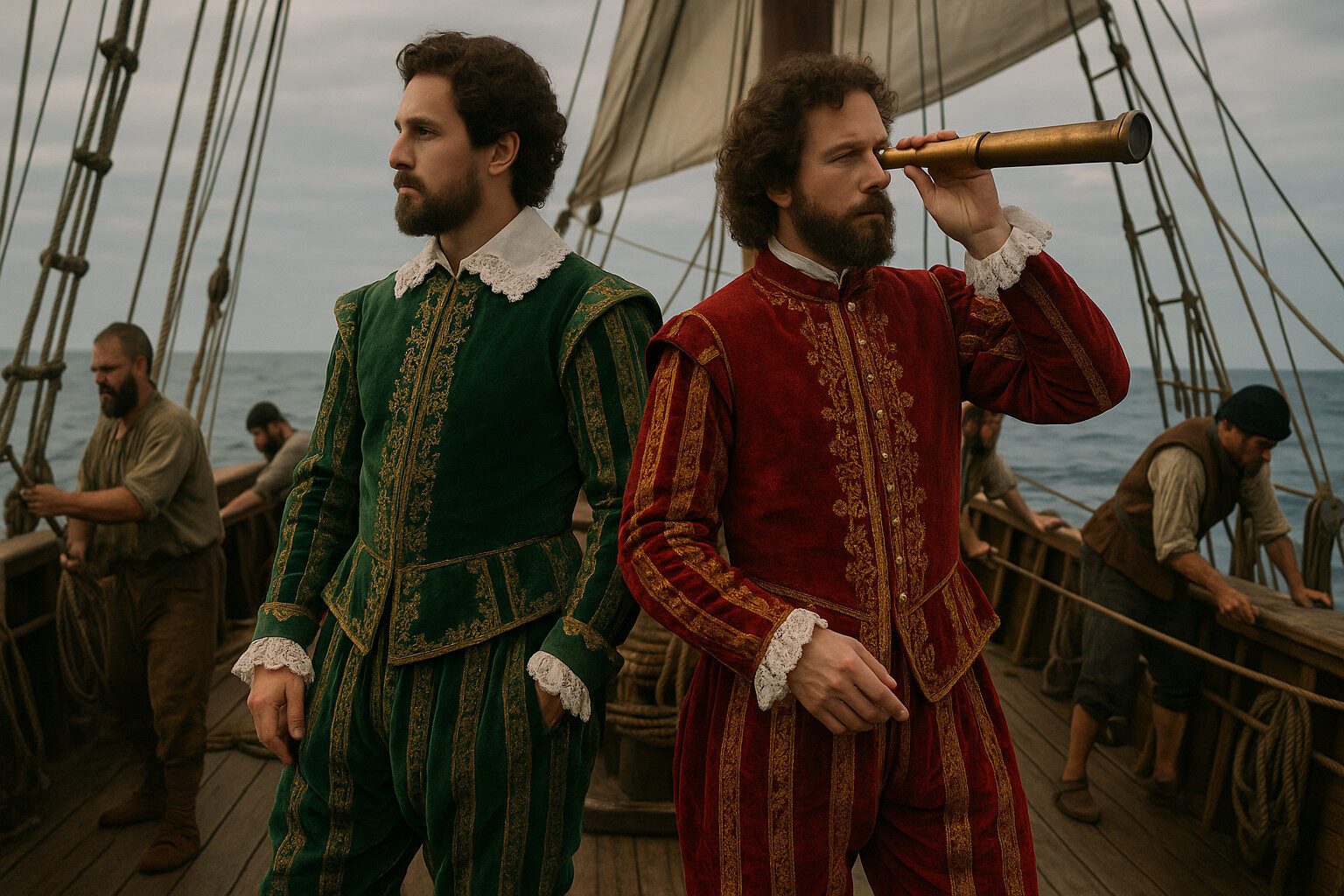
The English, Dutch, and French had already established colonies in North America, and Sweden also wanted to take part in the riches of the New World. In November 1637, two ships set sail from Gothenburg. The expedition was primarily founded by Dutch merchants, and led by a Dutchman, Peter Minuit.
In March 1638, the ships sailed up the Delaware River and established a colony, even though both the English and the Dutch had previously claimed the area. Fort Christina, named after the young queen of Sweden, was built, and contacts with the indigenous people were established.

But soon, the newly established colony experienced real hardships.
Peter Minuit, the leader of the expedition, was to return to Sweden to report on progress, but the ship was caught in a storm and sank. It would take another two years for a new shipment of supplies to reach New Sweden, whose few inhabitants had to survive on their own. Sickness and lack of food took its toll.
But even when new ships arrived, the troubles were not over. The Dutch investors withdrew from the project due to poor profitability, and Sweden was busy with the Thirty Years’ War and had little money to invest in the colony.
On top of that, the Swedish government was reluctant to send emigrants, as the country was already short of inhabitants. Most of the settlers were prisoners who had been pardoned on the condition that they settle in New Sweden.
And soon, the colony would face another threat – the Dutch neighbors.

A new governor was appointed in 1643 – Johan Printz. He was an imposing character who weighed between 150-200 kg and became known as “Big Belly”. He was as tough as he was fat, and he expanded the Swedish colony, which threatened the other colonizers in the area, especially the Dutch.
When “Big Belly” returned to Sweden, his daughter, Armegot, stayed behind and married his successor, Johan Papegoja. His tenure as governor became shortlived, but his successor, Johan Risingh, continued the expansive policies.
In 1654, he attacked the Dutch settlement and captured the neighboring Fort Casimir. For a while the Swedish colony seemed safe.

But in 1655, the Dutch retaliated, re-conquered Fort Casimir and then set sights on Fort Christina. After three weeks’ siege, Risingh had to surrender. New Sweden was incorporated into New Netherland, although the settlers were allowed local autonomy. They got to keep their lands and their religion.
The Swedish colonization of America was ended, but the legacy still remains today. For example, Swedesboro, New Jersey, was founded as part of the Swedish colony in 1650.
Sources:
Blom, Tomas. Emigrationen till Amerika. (2022)
Harrison, Dick. Sveriges Stormaktstid. (2021)