
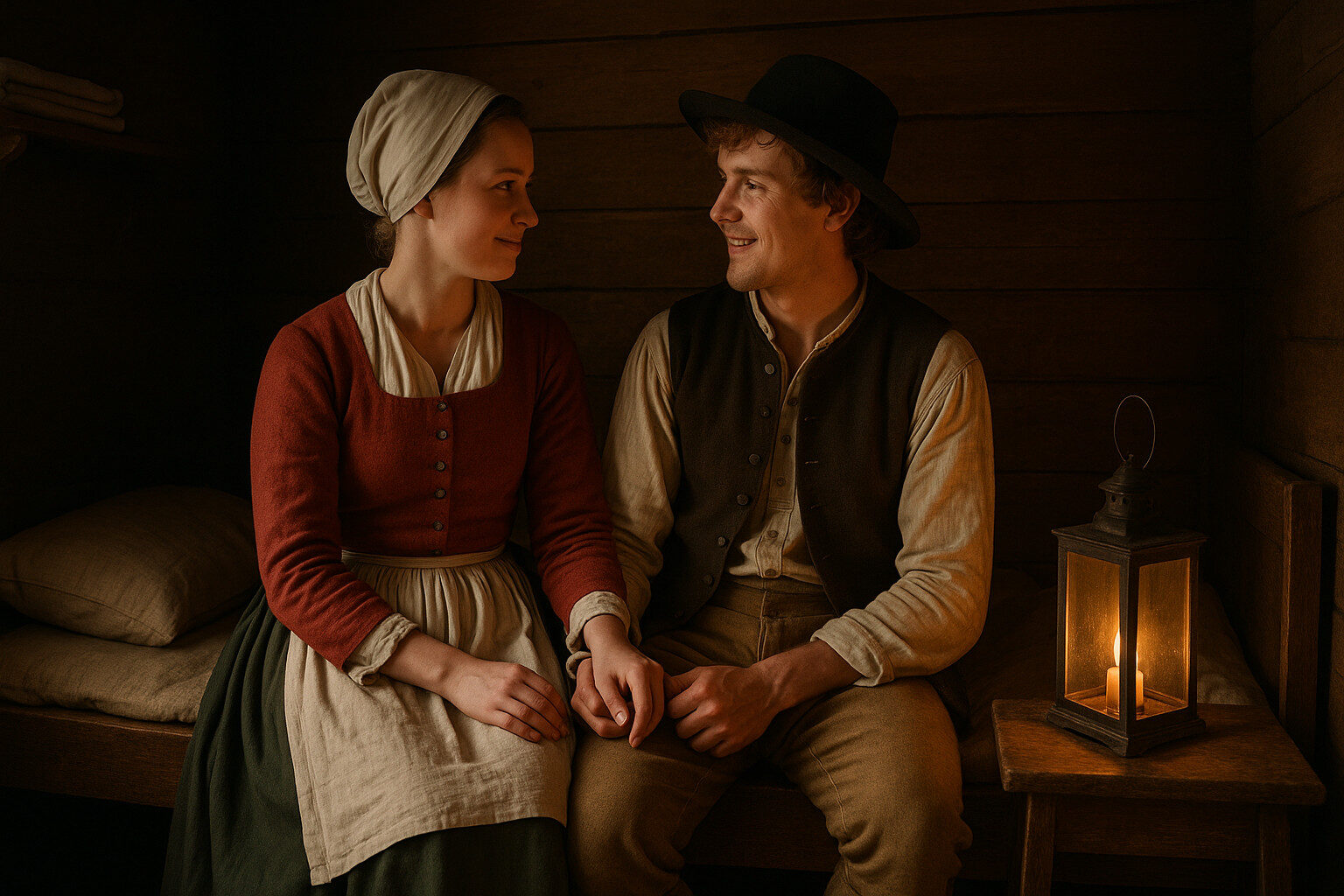
From the Middle Ages to the 19th century (even longer at some places) there was a tradition in Northen Europe amongst young people called nightly courtship. It meant that young men in the village (it was most prominent on the countryside) visited the young ladies at night – Saturday night mainly, since everyone had the day off on Sundays.
It was a way to get to know each other better and maybe find a spouse. It wasn’t much time in the week, busy as they all were with work. So, they took the chances they had.
However, it was not as “naughty” as one might think, since the idea was that the men and women would just lie next to each other, fully dressed, and talk.
Of course, some did more than that, sometimes with pre-marital pregnancies as result, but not as many as you would expect. The strong moral code, where your honour (especially women’s) was dependant on “purity” and extramarital sex was illegal, seemed to make many abstain. Otherwise, it wouldn’t have been so widely accepted.
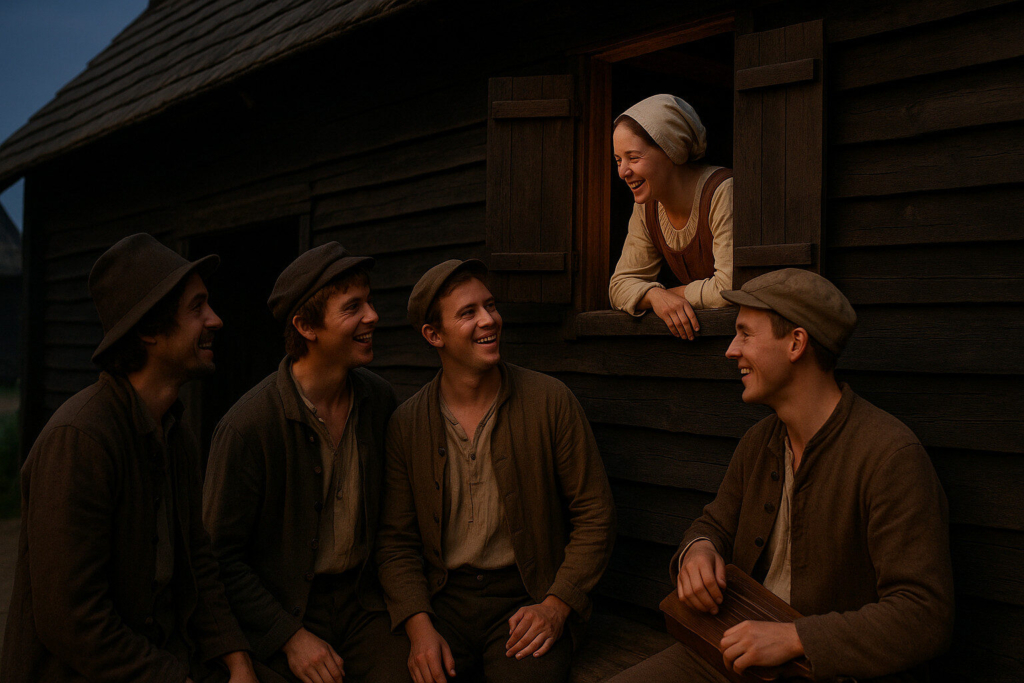
There was no secrecy around the practice of nightly courtship, it was an accepted part of young people’s way of courting. It could even be a whole spectacle, where the young men travelled in groups through the village, finding women willing to lie with them, as it was called (as in lie next to).
This arrangement didn’t bother the rest of the family, as teenagers often did not sleep in the house, but in a barn or outhouse. Therefore, they could enjoy some privacy. Which can seem a little contradictory, considering the taboo around sexuality. But again, the practice was widely accepted, which it probably wouldn’t have been if sex had been common in these circumstances.
But the church was against it, and as with many other forms of entertainment or pleasures people enjoyed in the past, tried to ban the practice. Many priests were upset that the young men and women had been up all night talking and were tired, or even fell asleep, at church the next morning.
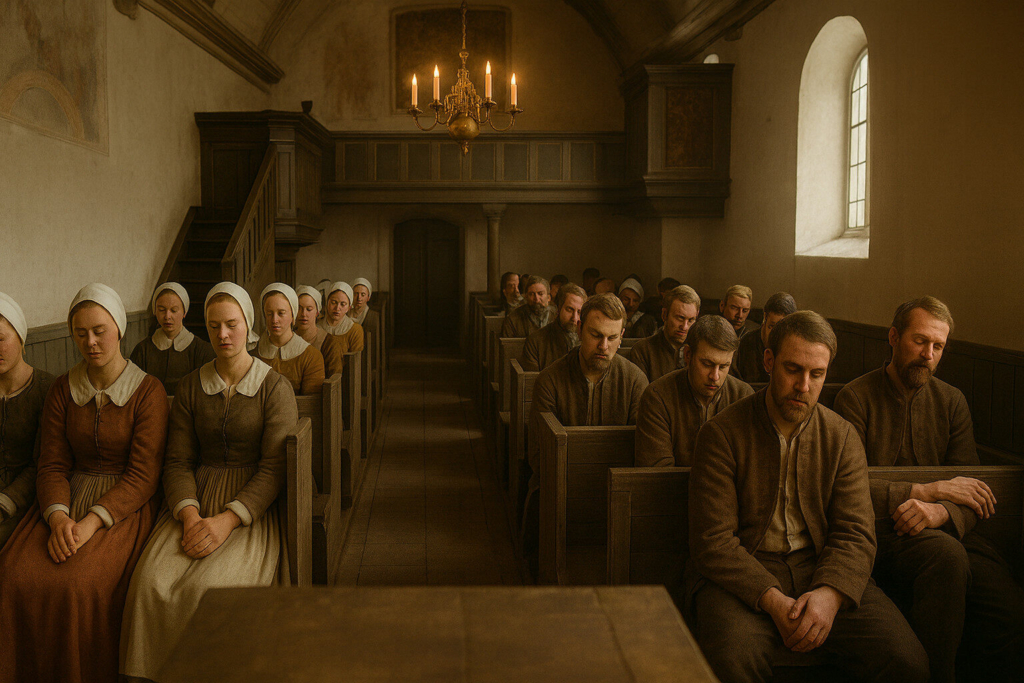
They preached against the custom and tried to convince parents and employers to forbid the young to engage in the activity, but without result.
The older people had participated in nightly courtships themselves, maybe found their spouses that way, and saw no harm in it. They could even help the young couples.
The tradition died out during the 19th– and 20th centuries with the urbanisation and somewhat freer view on sexuality.
In the next post, we’ll explore other celebrations that could be a result of these nightly courting’s – engagements and weddings!
Source:
Sandén, Annika. Fröjdelekar. Glädje, lust och nöjen under svensk stormaktstid. (2020)